Architecture and modelling of the primary user flows.
Continuous alignment between UX requirements and the constraints of the existing back-end (functional convergence).
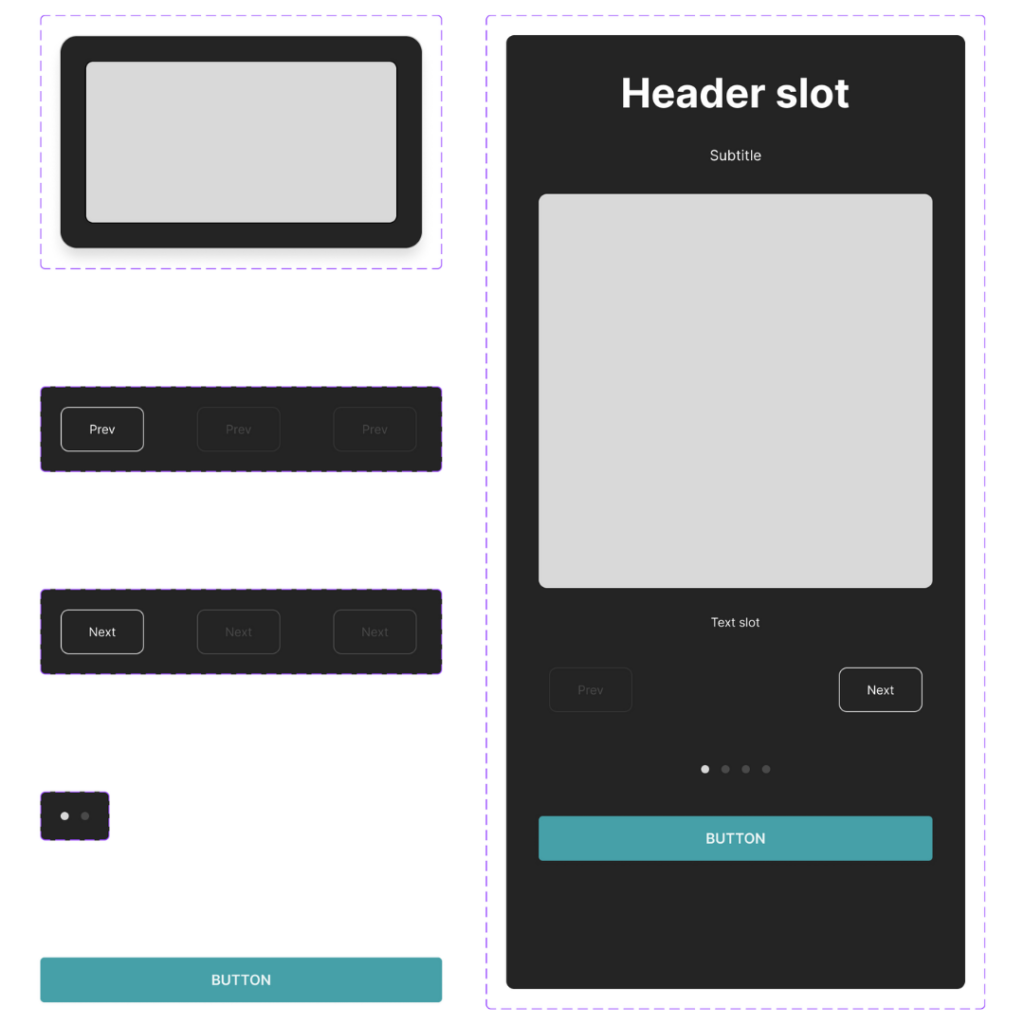
Design and implementation of the Design System.
Work Duration
16 weeks
Focus
Definition of the key flows needed to let users complete the core tasks smoothly and reliably. Creation of a modular Design System to keep the WakAfrica interfaces consistent in function, look, and meaning.
OUTCOMES
83,3%
Task Completion Rate
-50%
Time on task
Context
Wakafrica is a multi-interface ecosystem (Buyer, Vendor, Admin) that connects African users living in Europe with local African markets.
Problem
Lack of clear paths, information overload, and users unable to complete essential tasks. Frequent errors and high drop-off before conversion.
KPIs
Reduced drop-off.
Increased task completion rate.
Reduced user errors.
Fewer requests to the development team thanks to standardization.
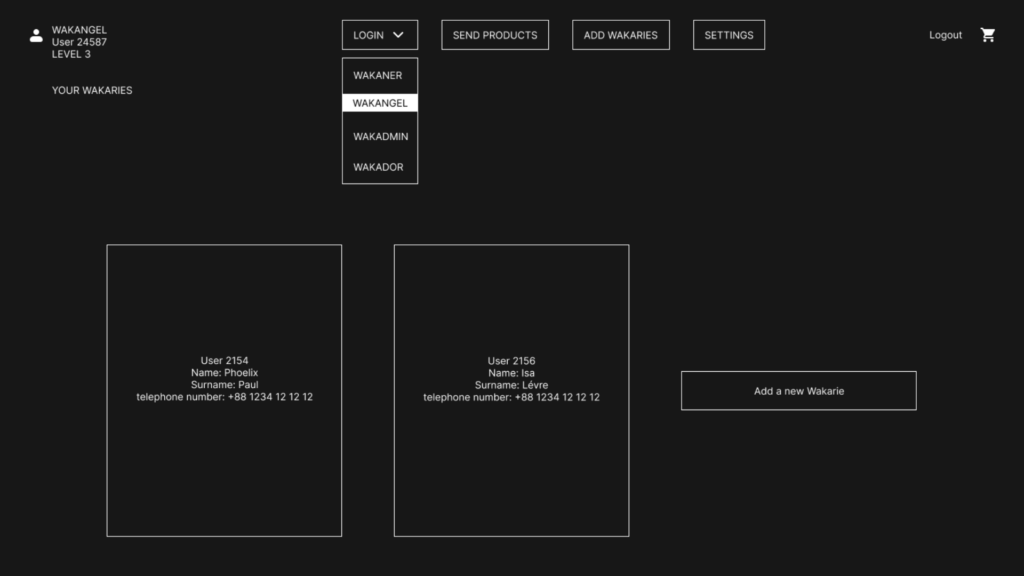
Stato iniziale del progetto (back-end)
Interventions
A scalable Design System applied across all interfaces to ensure consistency, reduce technical debt, and speed up development.
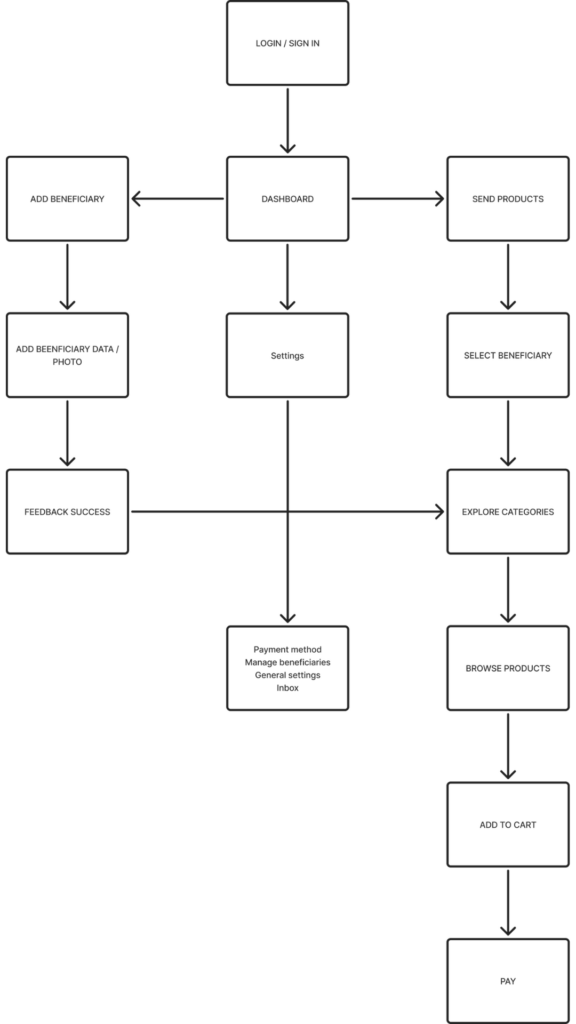
Guided flows built around need → action → result, designed to lower cognitive load and improve task completion.
A clearer role and access structure to reduce complexity, remove unnecessary permissions, and create a more coherent experience for Buyer, Vendor, and Admin.
Onboarding card components
User Story
As an African expat user, I want to purchase local African products for my loved ones without friction, errors, or uncertainty, so that I can complete the order reliably and support them from abroad.
USER TASK FLOW
Defining main flows
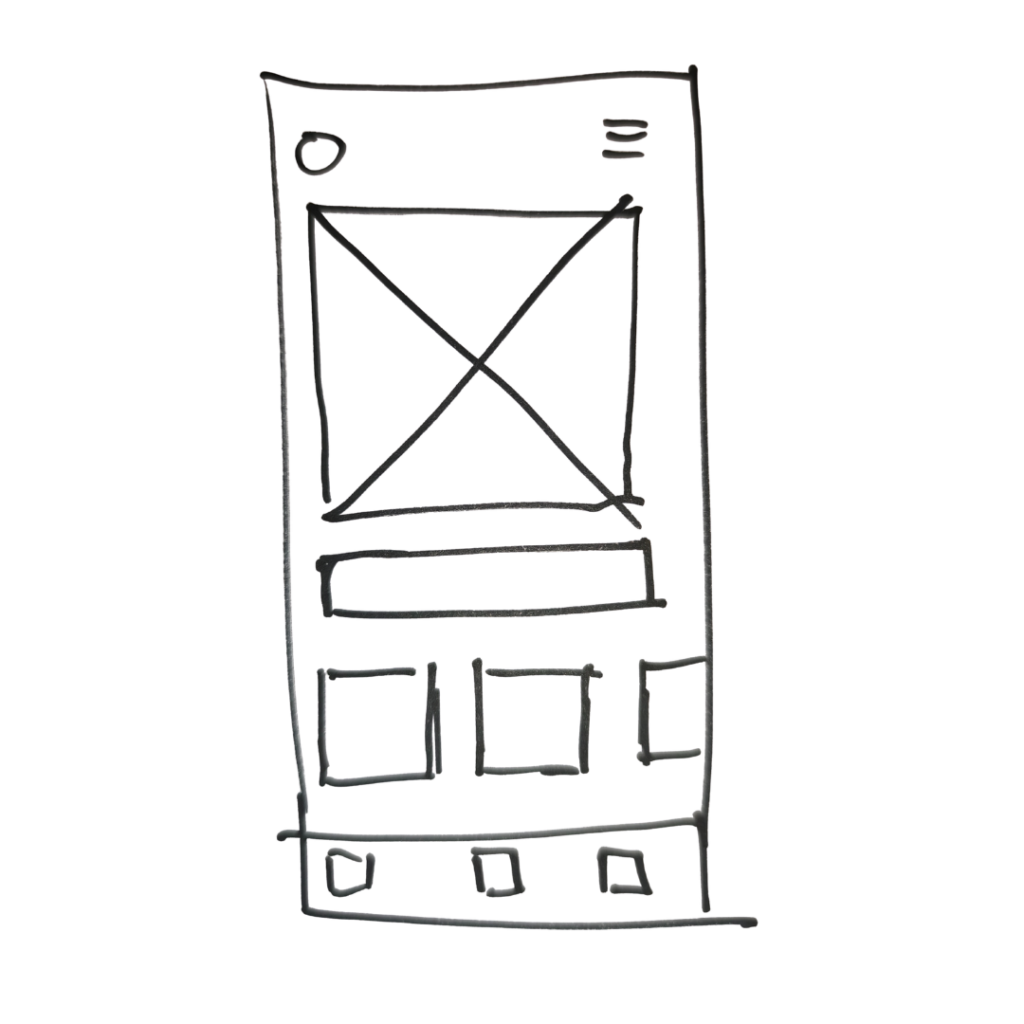
LOW FID WIREFRAMES
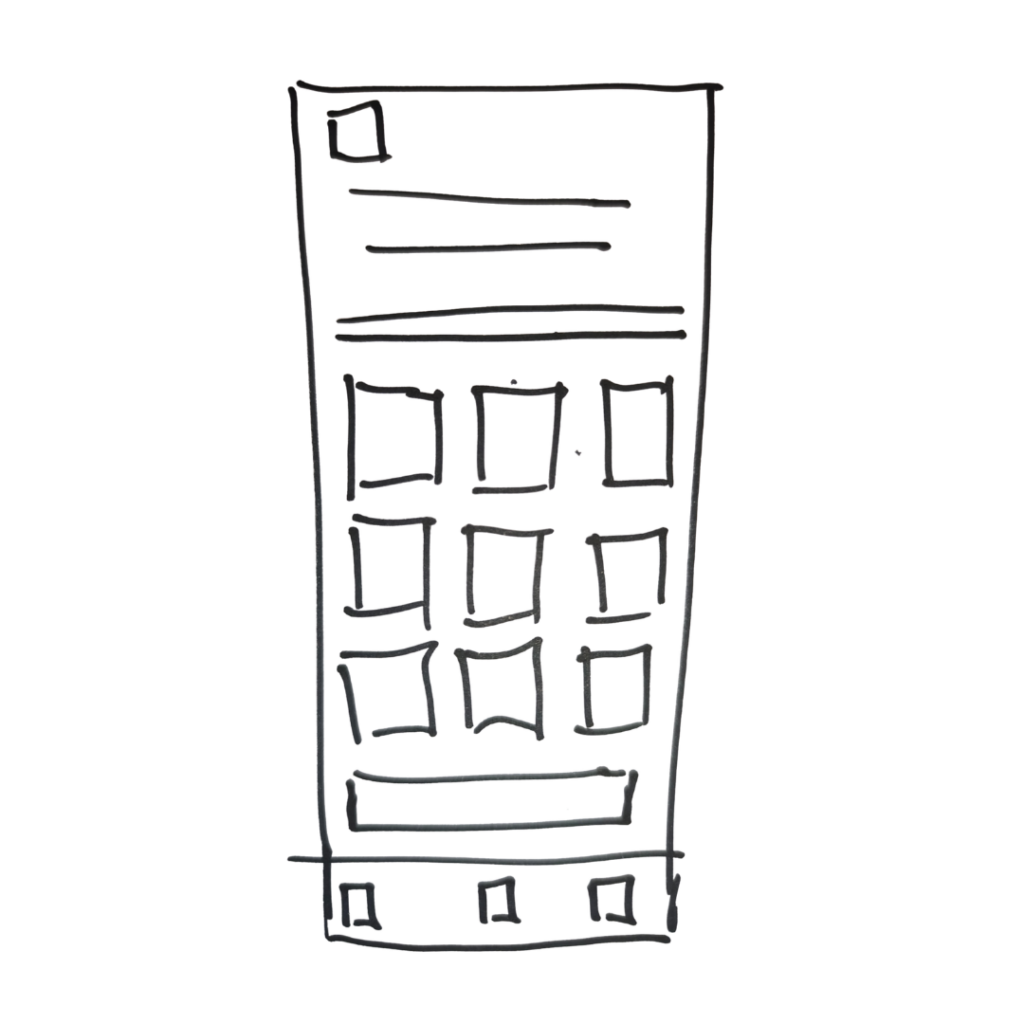
The low-fidelity phase was used to define the core flow architecture of the Buyer App without visual distractions, focusing exclusively on the clarity of the purchase journey.
Buyer Home (Low Fidelity)
Add Beneficiary (Low Fidelity)
Browse Categories (Low Fidelity)
HIGH FID WIREFRAMES
The validation of the flow structure and the presence of clear back-end constraints made an intermediate phase unnecessary.
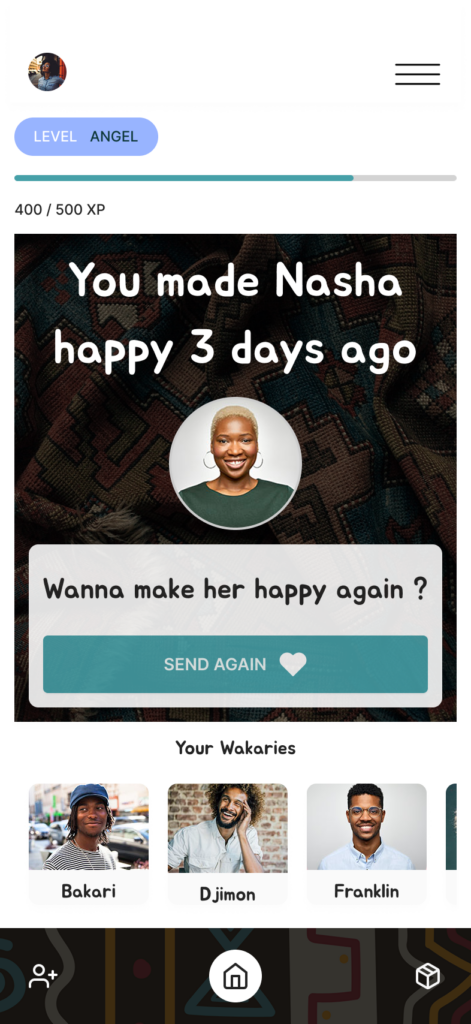
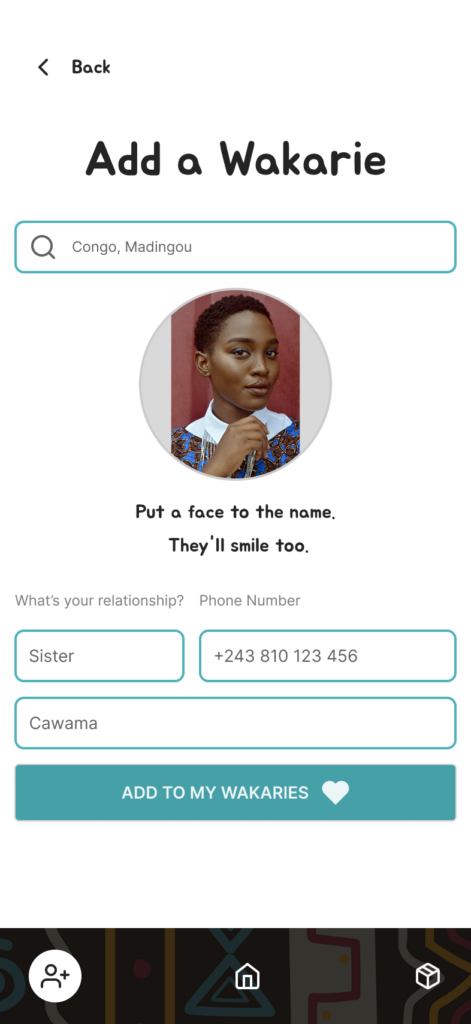
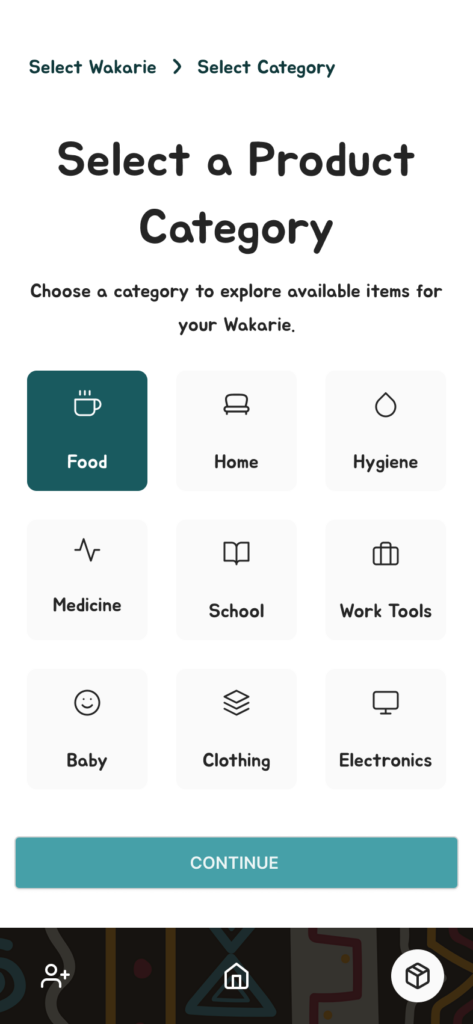
The design system enabled a rapid translation of wireframes into high-fidelity interfaces, ensuring consistency, scalability, and reduced rework.
Buyer Home (High Fidelity)
Add Beneficiary (High Fidelity)
Browse Categories (High Fidelity)
TESTING
The moderated usability testing involved 12 participants and focused on validating the three core flows of the Buyer App: adding a beneficiary, selecting products, and completing the payment.
Task Completion Rate: + 83,3%
All participants successfully completed the core task without blocks or the need for assistance, confirming the clarity and reliability of the redesigned flow.
Time on Task: –50%
The average completion time decreased from over 60 seconds to approximately 30 seconds, representing a 50% improvement in task efficiency.
Task list:
Add a beneficiary
Select Franklin and send him/her a product
Interactive Prototype
The final prototype allows you to explore the redesigned flows and see how the Design System is applied across the full experience. The link below provides access to the interface as it was delivered to the development team.